
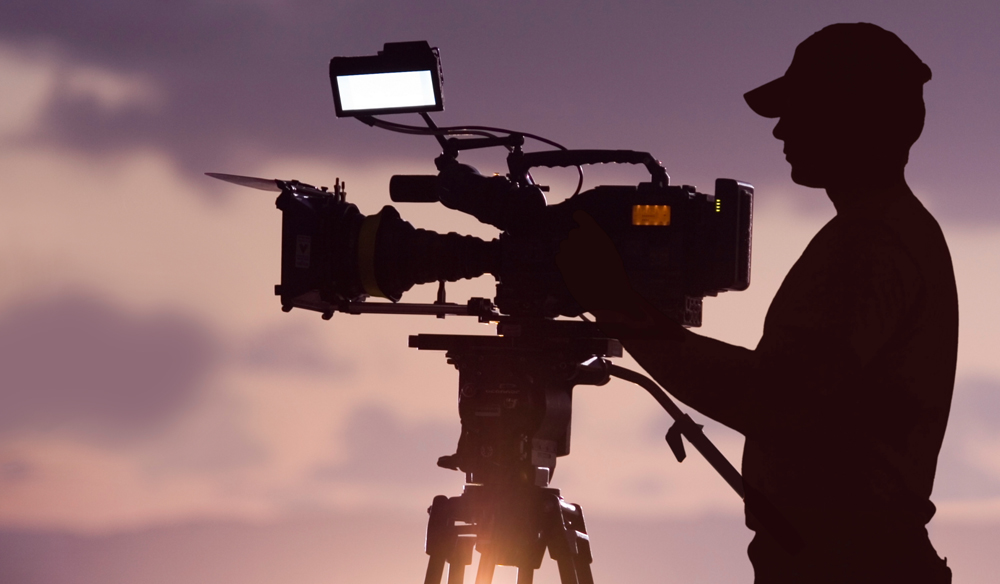
Introduction: More Than Just Beautiful Shots
Cinematography is more than simply pointing a camera and pressing record—it’s the deliberate, thoughtful process of crafting a visual language that supports and elevates a story. From lighting to lens choice, from camera angles to movement, every frame in a film is designed to evoke emotion, create atmosphere, and connect audiences to characters and plot.
Whether you’re a budding filmmaker, a curious photographer crossing into motion, or simply a lover of cinema, understanding cinematography is essential to appreciating and creating compelling visual content.
🔍 What Is Cinematography?
Cinematography is the art and technique of capturing moving images on film or digital media. It encompasses everything that appears on the screen:
- Framing & Composition
- Lighting Design
- Camera Angles & Movement
- Lens Selection
- Color Grading
- Depth of Field
- Aspect Ratio
The person responsible for these decisions is the Director of Photography (DP or DoP), who collaborates closely with the director to translate the script into a visual narrative.
🎨 The Elements of Cinematic Visuals
📐 1. Composition
Good composition guides the viewer’s eye and supports the mood of a scene. Techniques like the Rule of Thirds, leading lines, and symmetry help shape an image that’s both aesthetically pleasing and narratively effective.
💡 2. Lighting
Lighting is arguably the most powerful tool in cinematography. It sets tone, highlights emotion, and defines texture. High-key lighting can make a scene feel bright and hopeful, while low-key lighting builds tension and drama.
📷 3. Camera Movement
From handheld shots that feel raw and intimate to smooth dolly or Steadicam shots that bring fluidity, the way a camera moves (or doesn’t) changes how we experience a story.
🔭 4. Lens Choice
Wide-angle lenses expand the scene and exaggerate space, while telephoto lenses compress perspective and isolate subjects. The lens chosen affects depth of field, distortion, and the emotional tone of a shot.
🎞️ 5. Color & Tone
Color is symbolic. Warm tones often feel nostalgic or romantic; cool tones evoke isolation or calm. A film’s color palette, both on set and in post-production, is a critical part of its identity.
🧠 The Role of the Cinematographer
The cinematographer doesn’t just handle the camera—they shape the visual world of a story. Responsibilities include:
- Working with the director on shot lists
- Planning lighting setups
- Choosing camera formats and lenses
- Directing the camera crew
- Overseeing color grading in post-production
A skilled cinematographer brings a consistent visual tone that supports the emotional arc of a film.
📚 Famous Cinematographers to Know
- Roger Deakins – Blade Runner 2049, 1917
- Emmanuel Lubezki – The Revenant, Gravity
- Rachel Morrison – Mudbound, Black Panther
- Gordon Willis – The Godfather Trilogy
- Christopher Doyle – In the Mood for Love
These visionaries have defined how stories look and feel, often pushing technical and artistic boundaries.
🛠️ Tools of the Trade
- Camera Systems: ARRI, RED, Blackmagic, Canon, Sony
- Lenses: Zeiss, Cooke, Sigma, Canon Cine lenses
- Stabilization: Gimbals, Steadicams, Dollies, Cranes
- Lighting Gear: LED panels, HMIs, Fresnels, softboxes
- Post Tools: DaVinci Resolve, Adobe Premiere Pro, Final Cut Pro